

The Evolution of Czech Banking Since 1989
How the banking sector transformed from state control to a competitive market economy. Key institutions, major mergers, and what it means for customers today.

From Soviet Bloc to Modern Market
In 1989, Czechoslovakia had one banking system. The State Bank controlled everything. There were no private banks, no competition, no choice. If you needed to save money or get a loan, you had one place to go. That changed fast. Within months of the Velvet Revolution, everything shifted. New banks emerged. Western institutions arrived. Czech banking went from centrally planned to competitive in what felt like overnight.
What we're looking at now—the Czech banking landscape you interact with today—is the result of 35 years of transformation. It's a story of adaptation, consolidation, and innovation. Banks that thrived in the 1990s don't exist anymore. New ones took their place. Digital banking went from impossible to essential. Understanding how we got here helps you understand what banks are competing for now and why your options look the way they do.
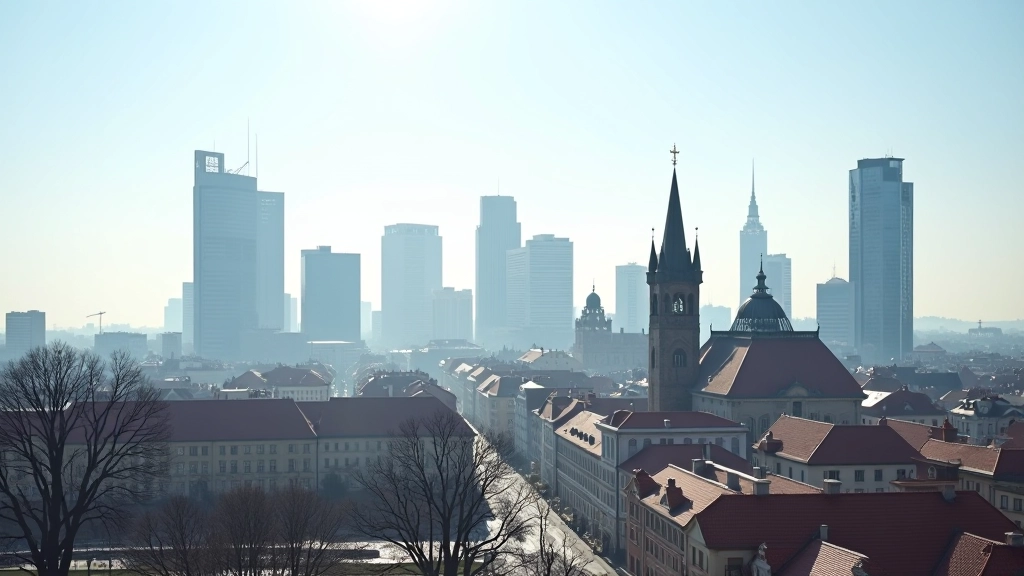
The 1990s: Rapid Liberalization and Growing Pains
The first decade after 1989 was chaotic in the best and worst ways. The government passed banking laws in 1991 that opened the door to new institutions. Banks like Agribank, Investiční banka, and ČSOB emerged or were privatized. Foreign banks—especially from Austria and Germany—saw opportunity and moved in. By 1995, there were over 40 licensed banks operating in the Czech Republic. That's a massive jump from one.
But growth without regulation creates problems. Some of these new banks weren't stable. They took risks that made sense on paper but didn't work in practice. A banking crisis hit in 1997. Several banks failed. The koruna nearly collapsed. It was painful—but it taught a lesson. You can't just open the doors and hope for the best. You need oversight, capital requirements, and stress testing. That's when Czech banking got serious about regulation.
Educational Context
This article provides historical information about Czech banking evolution for educational purposes. It's not financial advice. The banking landscape continues to change. If you're considering specific banking decisions—where to save, which bank to choose, how to invest—consult with qualified financial advisors who can assess your personal situation.

2000-2010: Consolidation and Foreign Ownership
After the crisis, the Czech banking sector stabilized. But stability came with a price—consolidation. Smaller banks couldn't compete with larger, better-capitalized institutions. By 2005, the market had shrunk to around 30 banks. By 2010, even fewer. The big players? Mostly foreign-owned. UniCredit bought ČSOB. Raiffeisen came in. Société Générale operated through their Czech subsidiary. ČSOB, Komerční banka, and Česká spořitelna became the "Big Three." They still are, though ownership changed hands multiple times.
Foreign ownership wasn't a disaster—it brought capital, expertise, and better risk management. But it meant Czech banks weren't independent anymore. Strategic decisions often came from Vienna, Paris, or Rome. That matters when you're thinking about local banking culture. Czech customers weren't building Czech banks. They were using banks owned by global financial conglomerates that happened to operate in Prague.
2010-2020: Digital Transformation and New Players
The 2008 financial crisis hit banks hard globally. Czech banks weathered it better than most—they weren't deeply involved in mortgage-backed securities or complex derivatives. But it changed priorities. Banks invested heavily in digital infrastructure. Online banking became standard, not optional. Mobile apps launched. Payment systems upgraded. By 2015, most Czechs could manage their accounts from a phone.
Something else happened during this period—fintech startups and neo-banks emerged. Companies like Revolut (founded 2015) and Wise (then TransferWise) challenged traditional banking. They didn't have physical branches. They operated entirely digitally. Lower costs meant lower fees. Traditional banks had to respond. They cut fees. They improved apps. They made digital experiences competitive. The big three didn't disappear, but they couldn't dominate the way they used to.

Key Milestones in Czech Banking Evolution
1989
Velvet Revolution ends communist era. State Bank controls all
banking.
1991
New banking laws open market. First private banks established.
1997
Banking crisis forces regulatory reforms and bank failures.
2004
Czech Republic joins EU. Banking standards align with European
regulations.
2008
Global financial crisis. Czech banks remain stable, digital
investment accelerates.
2015
Mobile banking becomes mainstream. Fintech startups challenge
traditional model.
2024
Open banking and API integration standard. Cryptocurrencies
regulated.
What This Means for You Today
The competitive landscape you see now—where you can compare interest rates, fees, and services across multiple banks—didn't exist 35 years ago. It's the result of decades of transformation. You've got choices: the established Big Three (ČSOB, Komerční banka, Česká spořitelna), smaller regional banks, foreign institutions, and digital-first alternatives. Each emerged from this evolutionary process.
Understanding this history helps you see why banks operate the way they do. Why they're investing in technology. Why they're competing on fees and features. Why regulations are strict. It's not random—it's learned from 35 years of market forces, crises, and innovation. When you're choosing where to bank, you're not just picking a service provider. You're choosing based on decisions made in Prague, Vienna, and regulatory offices. That context matters.
The Czech banking sector is stable now. Competition is real. Regulation is strong. That's good. It means your deposits are protected. Banks can't take excessive risks. Services are transparent. The 1997 crisis taught that lesson permanently. What's coming next? Probably more digital integration, open banking standards, and maybe new challengers we haven't predicted. But you'll understand how they fit into the bigger story.


Related Articles